Understanding Retinal Disorders
Retinal disorders encompass a variety of conditions affecting the retina, the light-sensitive tissue located at the back of the eye. These disorders can lead to significant vision problems if left untreated. In recent years, advancements in medical science have enhanced our understanding and treatment of these conditions. When exploring options, retinal disorder treatment options have expanded considerably, providing hope to millions affected by these diseases.
What Are Common Retinal Disorders?
Common retinal disorders include age-related macular degeneration (AMD), diabetic retinopathy, retinal detachment, and retinal vein occlusion. Each of these conditions has distinct characteristics and potential impacts on vision:
- Age-related Macular Degeneration (AMD): A leading cause of vision loss in older adults, AMD affects the macula, a small area in the retina responsible for central vision.
- Diabetic Retinopathy: This condition arises from diabetes, causing damage to the blood vessels in the retina and leading to potential vision impairment.
- Retinal Detachment: A serious condition where the retina separates from its underlying tissue, leading to vision loss if not treated promptly.
- Retinal Vein Occlusion: Occurs when a vein in the retina becomes blocked, which can lead to sudden vision changes.
Symptoms and Early Detection
Detecting retinal disorders early can significantly affect treatment efficacy. Common symptoms may include:
- Blurred or distorted vision
- Dark spots or shadows in vision
- Sudden vision loss
- Difficulty seeing at night
Regular eye examinations are essential for early detection, especially for individuals at higher risk, such as those with a family history of retinal diseases or chronic medical conditions like diabetes.
Risk Factors for Retinal Diseases
Risk factors for developing retinal disorders encompass a range of genetic, lifestyle, and health-related issues:
- Aging: The risk of retinal diseases increases with age, particularly for conditions like AMD.
- Diabetes: Poorly controlled diabetes can lead to diabetic retinopathy.
- Smoking: Tobacco use is a significant risk factor for many retinal conditions.
- Family History: A family history of retinal disorders can increase susceptibility.
Your Guide to Treatment Options
With the evolving landscape of healthcare, various treatment options for retinal disorders are available. Understanding these options is crucial for patients seeking effective management of their conditions.
Medical Treatments: Injections and Laser Options
Medical treatments for retinal disorders often include intravitreal injections and laser therapy:
- Intravitreal Injections: These involve injecting medication directly into the eye, targeting conditions like diabetic retinopathy and AMD. Anti-VEGF (vascular endothelial growth factor) drugs are commonly used to reduce swelling in the retina.
- Laser Therapy: Laser treatments can help seal leaking blood vessels in diabetic retinopathy or treat abnormal blood vessel growth in AMD. This minimally invasive approach is effective in preventing further vision loss.
Innovative Surgical Techniques for Retinal Disorders
For more advanced cases, surgical options may be necessary. Innovative surgical techniques include:
- Vitrectomy: This procedure removes the vitreous gel from the eye, allowing for the repair of retinal tears and detachments.
- Scleral Buckling: This method involves placing a silicone band around the eye to support the retina and prevent detachment.
Emerging Therapies and Clinical Trials
The field of retinal disorder treatment continues to evolve with new therapies and clinical trials being developed. Current areas of research include:
- Gene Therapy: This promising approach aims to treat genetic retinal disorders by delivering healthy genes to the affected retinal cells.
- Stem Cell Therapy: Researchers are exploring the potential of stem cells to regenerate damaged retinal tissues.
Participation in clinical trials can provide access to cutting-edge therapies and contribute to advancing the field.
Choosing the Right Treatment Plan
Selecting the appropriate treatment plan for retinal disorders is a critical decision that should consider various personal and medical factors.
Factors Influencing Treatment Decisions
Several factors influence treatment decisions for retinal disorders:
- Type of Disorder: The specific retinal condition and its severity will guide treatment options.
- Patient Health: Overall health, age, and comorbidities can impact treatment choices.
- Personal Preferences: Patients should discuss their preferences regarding treatment methods with their healthcare provider.
Consultation with Eye Care Specialists
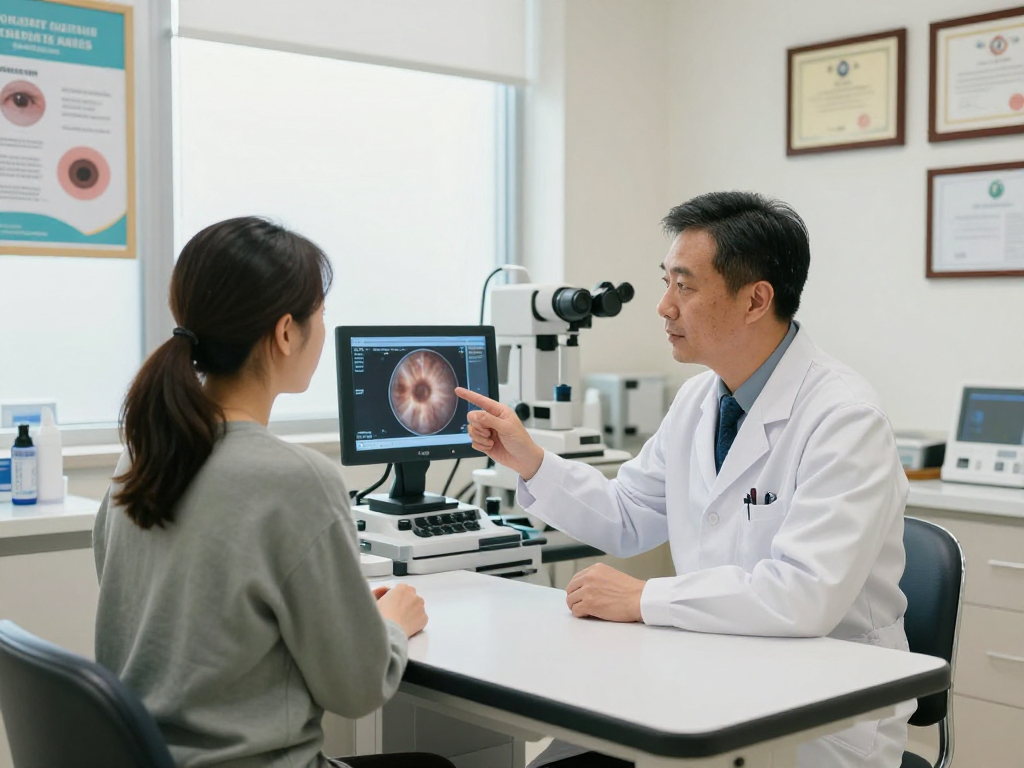
Consulting with an ophthalmologist or retina specialist is crucial for developing an individualized treatment plan. These specialists can provide insights into the latest advancements in treatment and help patients navigate their options.
Making Informed Choices About Your Health
It's essential for patients to educate themselves about their condition and treatment options. Preparing questions for healthcare providers and seeking second opinions when necessary can empower patients to make informed decisions.
Managing Life with Retinal Conditions
Living with a retinal condition requires adaptations and proactive management strategies to maintain quality of life.
Lifestyle Adjustments for Better Eye Health
Making specific lifestyle changes can help manage symptoms and promote overall eye health:
- Nutrition: A balanced diet rich in antioxidants can support eye health. Foods high in omega-3 fatty acids and vitamins C and E are particularly beneficial.
- Regular Exercise: Maintaining a healthy weight and engaging in regular physical activity can help lower the risk of diabetes and associated retinal diseases.
Support Resources and Community Engagement
Patients and families can benefit from support groups and community resources. Organizations focused on eye health can provide valuable information, emotional support, and advocacy for patients navigating retinal disorders.
Monitoring Progress and Follow-Up Care
Regular follow-up appointments are crucial for monitoring progress and adjusting treatment plans as necessary. Patients should remain vigilant about any changes in their vision and report them to their healthcare provider promptly.
Future of Retinal Disorder Treatments
The landscape of retinal disorder treatment is rapidly changing, with numerous advancements expected in the coming years.
Trends in Research and Development for 2026
As we approach 2026, trends in retinal research include a focus on personalized medicine, where treatments are tailored to individual genetic profiles and specific disease mechanisms. This shift aims to improve outcomes for patients by targeting therapies more effectively.
Advancements in Technology Improving Outcomes
Technological innovations, such as artificial intelligence (AI) in diagnostic imaging, are rapidly improving the detection and management of retinal diseases. AI systems can analyze images to identify early signs of disease, potentially leading to earlier interventions.
Patient-Centric Approaches to Eye Care
Future retinal care will also emphasize a patient-centric approach, with a focus on integrating patient preferences and experiences into treatment planning. This holistic view ensures that patients are not just subjects of treatment but active partners in their healthcare journey.
What are the symptoms of retinal disorders?
Symptoms can vary based on the specific disorder, but common indicators include blurred vision, dark spots, and sudden changes in vision. Regular eye exams can help in identifying these symptoms early.
How can I prepare for a retinal treatment consultation?
Prepare a list of symptoms, medical history, medications, and questions to ask your doctor. Understanding your condition and treatment options can facilitate a productive discussion.
What is the recovery process for retinal surgery?
Recovery from retinal surgery varies depending on the procedure. Patients may need to limit activities and attend follow-up appointments to monitor healing and visual recovery.
Are there any new treatments on the horizon for retinal disorders?
Researchers are continually exploring innovative treatments, including gene therapy and new drug formulations. Staying informed about current research can help patients access cutting-edge therapies.
How do I maintain healthy eyes post-treatment?
Post-treatment care includes regular eye examinations, a healthy diet, and lifestyle choices that minimize risks associated with retinal disorders. Following your doctor’s recommendations will be crucial for maintaining long-term eye health.