
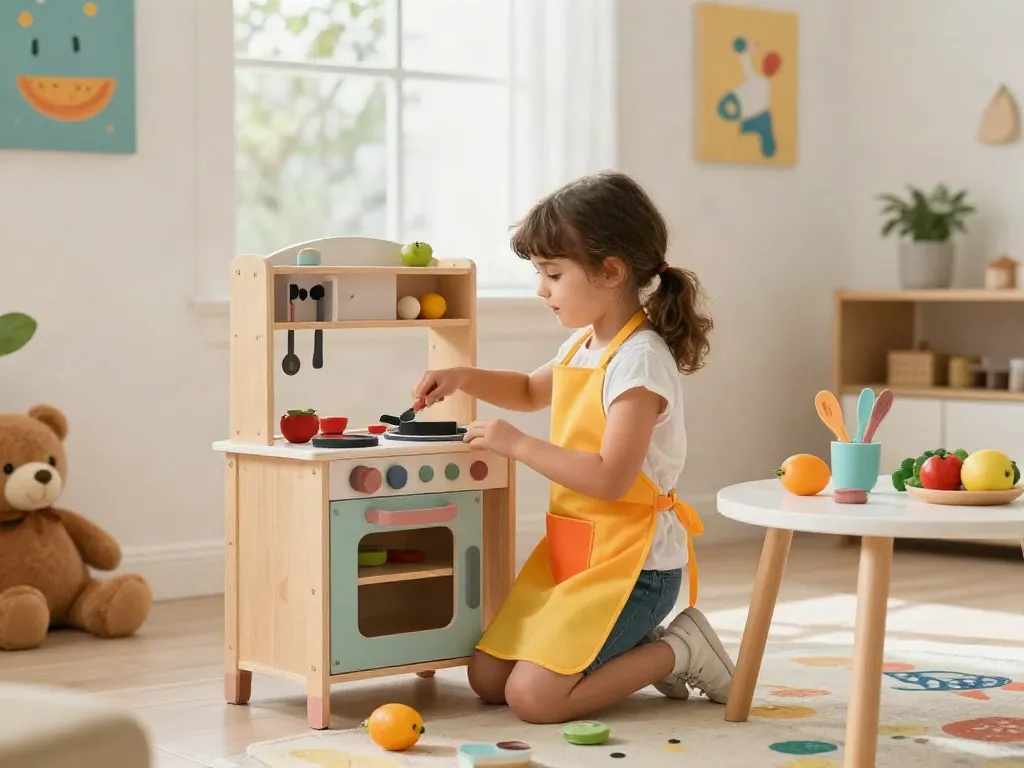
Understanding the Benefits of Play Kitchens
Play kitchens have become a beloved staple in the world of children’s toys, serving as both a source of entertainment and a powerful developmental tool. These miniature culinary spaces not only spark imagination but also foster learning through play. When exploring options, play kitchen sets come in a variety of styles and materials, catering to diverse interests and budgets.
What Is a Play Kitchen and Why It's Essential?
A play kitchen is a toy designed to resemble a real kitchen, complete with appliances, utensils, and food items. Typically aimed at children aged two to six, these sets allow for imaginative play, where kids can mimic the actions of cooking, serving, and cleaning just like adults do. This form of role play is essential as it promotes cognitive and social development, allowing children to explore various scenarios and interactions.
Developmental Skills Enhanced Through Play Kitchens
Engaging with a play kitchen can enhance numerous developmental skills:
- Fine Motor Skills: Manipulating small kitchen accessories, such as pots and utensils, helps improve dexterity.
- Cognitive Skills: Children learn to problem-solve as they figure out how to 'cook' meals and manage playtime scenarios.
- Language Development: Playing with friends or caregivers encourages communication and vocabulary building through role-play dialogues.
- Social Skills: Collaborative play encourages sharing, negotiation, and teamwork as children engage in collective scenarios.
Social Interaction and Imaginative Play Opportunities
Play kitchens foster social interactions by providing a platform for children to invite friends or parents to join in the fun. This shared experience not only strengthens bonds but also instills values such as cooperation and negotiation. Kids can role-play as chefs, customers, or family members, creating richer narratives that stimulate their imaginations and bolster their emotional intelligence.
Choosing the Right Play Kitchen for Your Child
Key Features to Consider When Selecting a Play Kitchen
When shopping for a play kitchen, consider the following features that can enhance the play experience:
- Size: Ensure the kitchen fits comfortably in your designated play area.
- Realistic Accessories: Check for included utensils and food items, as realistic features enhance imaginative play.
- Durability: Opt for strong materials that can withstand the rigours of play.
- Interactive Elements: Some kitchens include lights and sounds, which can add excitement to playtime.
Comparing Different Materials: Wood vs Plastic
Play kitchens come predominantly in wood and plastic, each with its own set of advantages:
- Wood: Often seen as more aesthetically pleasing and durable, wooden kitchens can withstand years of play. They're also generally more environmentally friendly.
- Plastic: Typically lighter and easier to clean, plastic kitchens can be more affordable. However, they may not have the same longevity or appeal as their wooden counterparts.
Age Appropriateness: Finding the Perfect Fit
Selecting a play kitchen that aligns with your child’s age and developmental stage is crucial. Generally, kitchens designed for toddlers (ages 2-3) will feature simpler designs and fewer accessories, while those for preschool-aged children (ages 4-6) may include more complex items and additional features.
Maximising Fun with Accessories and Features
Essential Play Kitchen Accessories to Enhance Creativity
Enhancing your child's play kitchen with accessories can significantly boost creativity and engagement. Consider the following items:
- Food Items: A variety of pretend food, from fruits and vegetables to baked goods, can inspire diverse cooking scenarios.
- Utensils: Spoons, spatulas, and cutting boards provide essential tools for aspiring chefs.
- Appliances: Adding a toy microwave or blender can introduce more cooking techniques and possibilities.
Incorporating Realistic Sounds and Lights
Modern play kitchens often come equipped with interactive features, such as lights and sounds, that mimic real-life cooking experiences. These elements can add an extra layer of fun and realism to the play experience, making it more engaging and appealing to children.
Crafting an Engaging Kitchen Environment
Creating an engaging environment around the play kitchen can further enhance your child's experience. You might consider setting up a small dining area for pretend meals, or creating themed cooking nights where family members can participate in cooking shows or competitions.
Common Misconceptions About Play Kitchens
Are Play Kitchens Worth the Investment?
Many parents question whether investing in a play kitchen is worthwhile, given the costs involved. However, considering the benefits for creativity, social skills, and cognitive development, a play kitchen can be seen as a valuable investment in your child's growth and learning.
Misinformation About Safety and Durability
Concerns about safety and durability often arise when discussing children's toys, particularly those made from plastic. It's important to research and choose well-reviewed brands that adhere to safety standards, ensuring that the materials used are non-toxic and robust.
Addressing Space Concerns for Home Play Areas
One common concern is the space a play kitchen occupies. However, many available options are compact and designed for smaller living areas. Additionally, some kitchens offer foldable designs or are modular, allowing them to be stored away when not in use.
The Future of Play Kitchens: Trends for 2026
Innovative Designs and Sustainable Materials
The trend towards eco-friendly toys is growing, and play kitchens are no exception. Future designs may utilise sustainable materials, such as reclaimed wood or recycled plastics, which are both durable and environmentally friendly. Additionally, creative designs that blend functional play with aesthetic appeal are becoming more prevalent.
Integrating Technology in Play Kitchens
As technology becomes more integrated into daily life, it is also influencing children's toys. Future play kitchens may incorporate smart technology, allowing for interactive cooking lessons or even connections to real kitchen appliances for educational experiences.
Expert Predicts: Play Kitchen Evolution Ahead
Experts predict that play kitchens will continue evolving, incorporating elements of STEAM (Science, Technology, Engineering, Arts, and Mathematics) learning. This evolution may involve introducing concepts of nutrition, cooking science, and food safety into play scenarios, offering educational moments alongside imaginative fun.
What age should a kid get a play kitchen?
Generally, children can begin enjoying a play kitchen as early as two years old, coinciding with the start of imaginative play. Always consider the child’s individual development and interests when making this decision.
How much does a play kitchen cost?
The cost of a play kitchen can vary significantly based on size, materials, and features, ranging from as little as £50 for basic models to upwards of £300 for high-end, complex designs.
Is it worth getting a play kitchen?
Given the developmental benefits associated with imaginative play, a play kitchen is often viewed as a worthwhile investment for families, promoting learning through fun.
Which play kitchen is the best?
The best play kitchen depends on your child's preferences and needs. Look for options that offer durability, engaging features, and positive user reviews to find the best fit for your family.
What accessories enhance a play kitchen experience?
Accessories such as pretend food, utensils, and additional appliances can greatly enrich the play kitchen experience, enabling children to create diverse scenarios and engage in extended play.